
Like & share this news article:
Promotional Features
Posted by: electime 4th September 2026
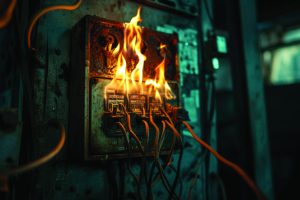 Electrical contractors play a huge role in preventing fire risks on every job. This depends not only on doing a high-quality installation but also on making the right decisions before, during, and after the work is completed. Following safety standards, conducting routine inspections, and educating clients help keep a property safe long after work is completed.
Electrical contractors in the UK are expected to follow BS 7671, the IET Wiring Regulations, and Building Regulations Part P. Keeping up with these requirements is a standard part of professional practice. Meeting these standards on every project helps ensure that their work is compliant, safe, and capable of withstanding both routine ECRs and detailed reviews following an incident.
For electrical contractors in the UK, fire prevention should be part of every stage of the job. Let’s share a couple of general standards that can help reduce fire-related risks at work and reinforce the credibility of the contractors clients are seeking.
Why Electrical Fire Prevention Matters on Every Job
Electrical systems wear out over time, even when they were correctly installed. Ageing wiring, loose connections, and higher electricity consumption can increase the risk of an electrical fire if not inspected regularly.
Electrical contractors should look out for these common causes:
- Ageing insulation is damaged by heat
- Overloaded circuits generating excessive resistance
- Loose terminals creating arcing hazards
- Outdated consumer units that fail to handle modern loads
Small electrical issues can quickly grow into bigger risks if left ignored. National data from the Detailed Analysis of Fires Report found that electrical distribution faults were responsible for around 16% of workplace fires in the last year. This accounts for roughly half of all accidental fires in commercial buildings. The figure shows the frequency of preventable faults that go undetected rather than being caught earlier.
Core Practices for Reducing Electrical Fire Risk
Preventing electrical fires needs more than meeting minimum wiring regulations. This requires the discipline to create consistent habits.
Conducting Thorough Pre-Work Inspections
Every job should start off with reviewing the existing conditions. Any new work built on top of undisclosed defects is likely to ruin even the most careful installation. This leaves both the contractor and the client facing unnecessary risk.
Here’s what to assess:
- Ensure a proper assessment of the consumer unit’s capacity
- Check for any signs of wiring damage
- Ensure grounding and bonding paths are tested
- Be on the lookout for any signs of scorching
Thorough inspections before starting a job are an important part of delivering safe and reliable electrical work. Clients often value contractors who consistently maintain high standards on every job.
Selecting the Correct Wire Gauge and Materials
Using the wrong wire size often causes overheating and insulation damage, increasing the risk of electrical fire. Therefore, selecting the right wire size can prevent fire risk on any job.
It’s important to:
- Confirm amperage before wiring
- Implementing correctly rated conductors
- Avoiding mixing incompatible metal types
- Accounting for future load growth
Investing in quality materials can help contractors avoid costly setbacks. This helps maintain high installation standards, as average electrician costs in the UK influence client expectations. Therefore, this habit can showcase a contractor’s quality and compliance, justifying their professional rating.
Ensuring Secure and Properly Torqued Connections
Loose connections are another major source of arcing that overheats the surrounding materials, increasing the risk of an electrical fire. It’s important for contractors to follow the correct tightening instructions to ensure proper wiring installation.
Contractors should follow:
- Torque terminals should match manufacturer specs
- Reinspection of connections after vibrations
- Using anti-oxidant compound wherever required
- Avoid over-tightening brittle terminals
Small habits, like getting torque right on every terminal, are something every contractor should follow to gain client trust.
Follow BS 7671 Requirements on Every Installation
BS 7671 supports safe electrical work at different project phases. Applying its guidance from the start can help contractors achieve better, safer outcomes.
Guidelines contractors should follow:
- Correct cable sizing
- Proper circuit protection
- RCD and RCBO protection
- Safe installation practices
It’s important for electricians to operate to this standard right from the start of their project to avoid costly rework later.
Managing Heat-Generating Equipment and Clearances
Most electric fires start near equipment due to the heat it generates during normal operation. This includes motors, transformers, and high-load machines. This requires proper area clearance and ventilation, as the wiring touches them.
Maintain safe operating margins by:
- Maintaining appropriate clearance distances
- Don’t completely enclose heat-generating equipment
- Ensuring that consumer units are properly ventilated
- Regularly checking equipment temperature
Failing to meet these critical requirements can cause normal safe equipment to become a slow-building hazard.
Recommend Regular Electrical Inspections to Clients
Consistent inspections add a lot of value to a contractor’s profile, besides the work they perform. This ensures that future fire risks are under check and proper prevention measures are undertaken beforehand.
Inspections include:
- EICRs
- Preventive maintenance
- Thermal imaging
- PAT testing for commercial properties
This is also where the contractors can educate their clients, presenting inspection as the core protection for their property instead of an optional extra.
Growing Reputation Beyond the Job Site
There are several factors that come into play in how electricians are found, compared, and selected. Although referrals and word of mouth are still important, the majority of searches now happen online.
Here’s why commercial property owners search for a tradesperson online:
- Reviews increasingly replace personal referrals
- Online profiles showcase project history
- Comparison happens before first contact
- Online visibility builds trust and a first impression
A contractor doing fire-safe work on all their jobs establishes a foundation for a local reputation. However, that reputation compounds if the next client can actually find them. Online marketplace platforms like BuilderWing have made this discovery seamless, offering property owners a streamlined way to find reliable tradespeople across the UK. Also, for contractors, this means a wider audience for the standards they already apply on-site.
Conclusion
For electrical contractors, fire safety and risk assessment are the most important components that define their job role. Across commercial properties, this is extremely important, and only experts have firsthand insight into the best prevention strategies. So, staying prepared and following the best approaches can determine a tradesperson’s value, as it is also the factor that clients check before hiring one.

